Uncategorized
LAKE MILLS, Wisc.– The North American Society for Trenchless Technology (NASTT) has
 chosen HammerHead Trenchless Equipment’s Same Path™ gas line slitting technology for recognition as an industry-leading innovation in 2016. Each year NASTT judges choose just two products contributing to the advancement of trenchless solutions to receive its Abbott Innovative Product Award. Judging and presentation take place during the annual NASTT No-Dig Show, held this year in Dallas, Texas, March 20 through 24.
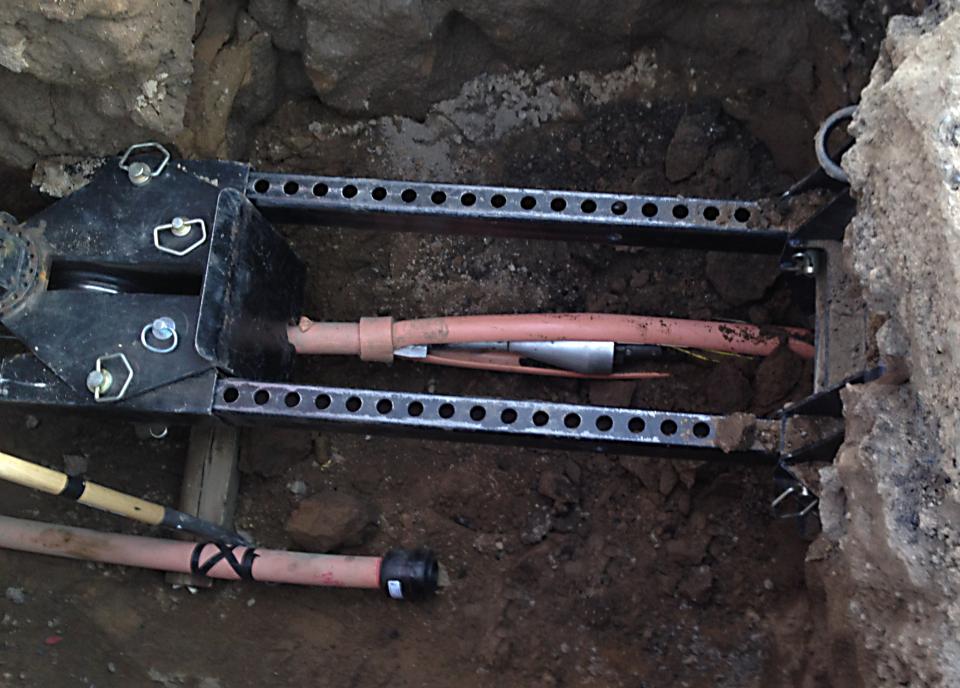
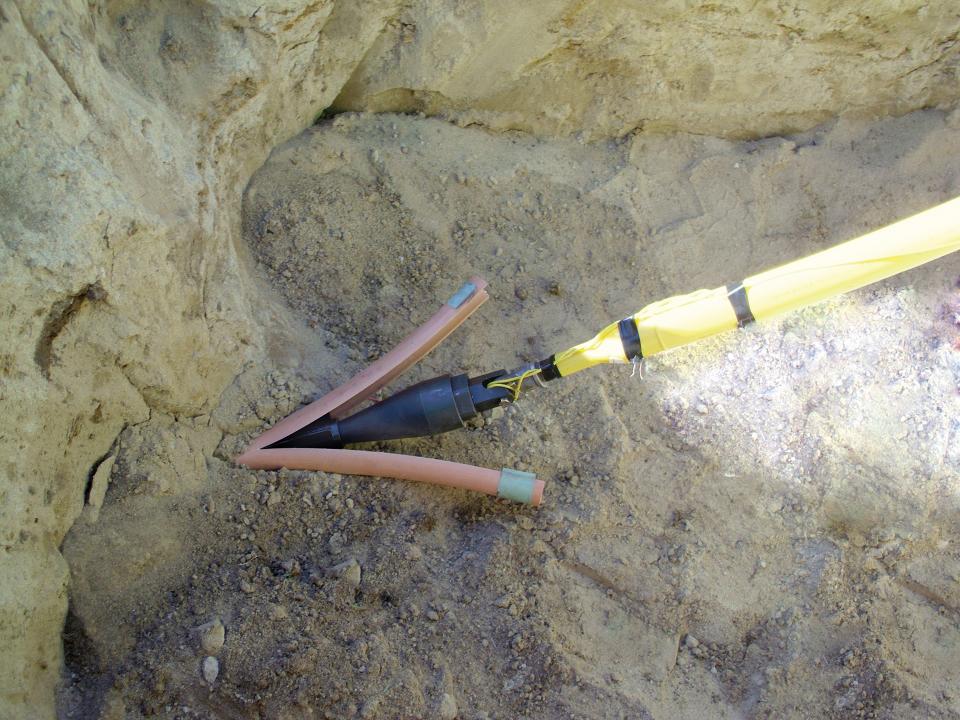
HammerHead Same Path Gas Line Slitting Technology is a tooling system for replacing natural gas distribution pipe that cannot be replaced by traditional bursting methods. The tooling is designed for use with the HammerHead line of cable winches.
HammerHead Trenchless Equipment, a Charles Machine Works company, originally designed
 the tooling at the request of Ditch Witch in California. Mike Anderson, Ditch Witch Bay Area, Central & Southern California president, and two in-house HammerHead equipment specialists, Kevin Campbell and Cameron Zoucha, had identified a need for better gas line slitting technology. HammerHead engineering worked with them to develop the tooling and methodology successfully used in the field by the Ditch Witch in California group since its introduction.
Anderson said, “We needed to help a customer frustrated by existing tooling that tended to either bunch up the pipe or high-center and get stuck. We turned to HammerHead engineering, which has a history of developing solutions for unique problems.”
HammerHead Same Path tooling is designed to overcome those issues while simultaneously splitting old pipe and installing new pipe.
“Usually you expect tool design to come as a result of trial and error,” Anderson said. “In this case it was trial and success, an effective product within weeks of our initial request that surpasses any gas line slitting system I’ve seen to date.”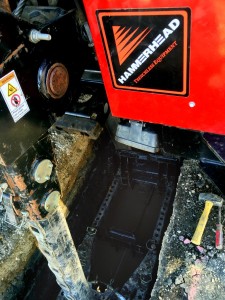
HammerHead Same Path Gas Line Slitting Technology is designed for replacing half-inch to 4-inch natural gas distribution pipe and may also be used to decommission inactive gas lines that will be left in the ground. The unique slitting process follows the existing pipe path, reducing the likelihood of contact with other utilities.
Same Path tool string components include expanders, connectors, and slitting tools with replaceable hardened-steel blades, breakaways and beacon housings. Used in conjunction with the HammerHead line of cable winches and Subsite® electronics, the tooling’s string design permits virtually trouble-free pullback in PVC, HDPE, MDPE and Aldyl-A pipe and limits torque on new MDPE or HDPE replacement pipe to within approved manufacturer’s standards.
Same Path gas line slitting technology is available from HammerHead Trenchless Equipment or from authorized dealers worldwide. Authorized dealers can be found online at www.hammerheadtrenchless.com or by calling 800.331.6653. (International: + [1] 920.648.4848).
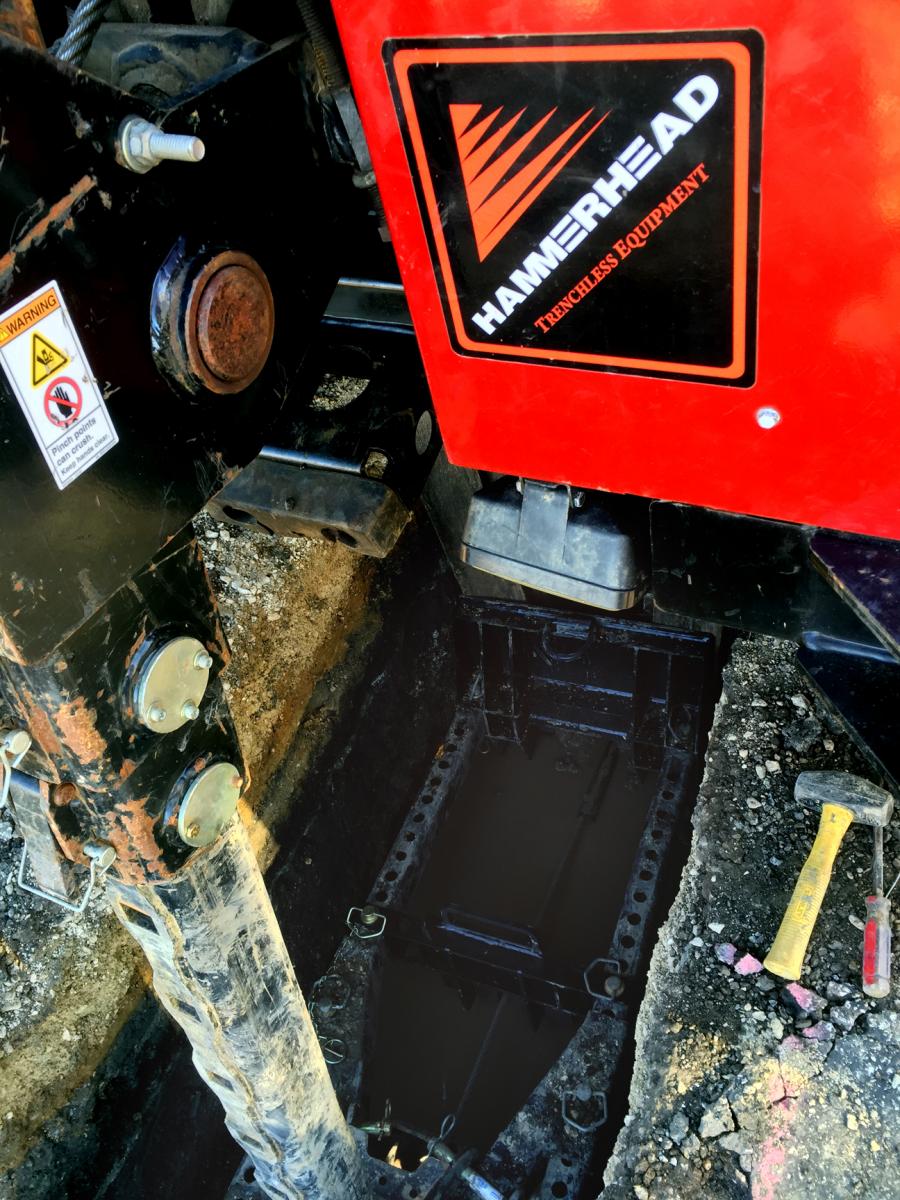
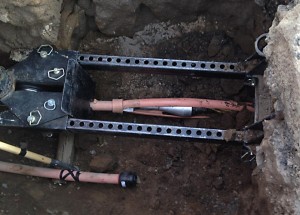
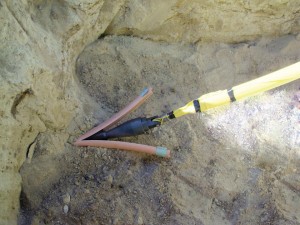
Photo 1:HammerHead® Same Path™ gas line slitting technology is a tooling system specially designed to replace natural gas distribution pipe lines that are not good candidates for traditional bursting methods.
Photo 2:Same Path™ gas line slitting technology is designed for use with the HammerHead® line of HydroGuide® cable winches. A HydroGuide winch’s self-deploying downrigger simplifies setup time and places hydraulic pulling power directly in line with the slitting operation.
Photo 3:The Same Path™slitting head has been retrieved all the way back to the extraction cage, never having left the path of the in situ pipe. The pipe line is now unequivocally decommissioned or, if new product pipe has been attached to the slitting head, it is replaced in the same smooth operation.
Uncategorized
ST. LOUIS, MO, April 19, 2016 — Aegion Corporation (“Aegion” or the “Company”) (Nasdaq
 Global Select Market: AEGN) today announced that Frank Firsching has been named the President of its Infrastructure Solutions platform and will have direct responsibility for the overall growth and profitability of the North America and European Insituform business, Underground Solutions, Inc. and Fyfe/Fibrwrap North and South America. In 2015, this business reported over $550 million in revenues.
Charles R. Gordon, Aegion President and CEO said, “I have known and worked with Frank for many years and have full confidence in his ability to lead the Infrastructure Solutions platform. I am looking forward to the contributions he will make to the Infrastructure Solutions platform and to the Aegion senior leadership team.”
Mr. Firsching has been with Underground Solutions since 2006 as part of its executive leadership team. As General Manager, he led sales, marketing, operations, engineering and technology development. Aegion completed the acquisition of Underground Solutions in February 2016.
Mr. Firsching has almost 30 years of experience in leadership positions in industrial, manufacturing and water and wastewater companies, including 14 years at USFilter Corporation. As President, Water & Wastewater Systems Group for USFilter from 2001 to 2006, Mr. Firsching was responsible for the profit & loss of the $1 billion business group. His responsibilities included overall business strategy, M&A, global sales & marketing, global operations and R&D. He graduated from the University of Virginia with a Bachelor of Science degree in Mechanical Engineering and from the Wharton School at the University of Pennsylvania with Masters of Business Administration.
Richard (Bo) Botteicher has been named General Manager for Underground Solutions and will be responsible for all operations, sales and marketing for the business. Mr. Botteicher was most recently the Vice President of Sales, Western Region, at Underground Solutions. Prior to that position, he spent nearly 10 years as a senior product engineer at Underground Solutions, specializing in technical support for projects, sales initiatives, operations, research and testing associated with Fusible PVC® pipe and its use. Mr. Botteicher received his Bachelor’s degree from Bucknell University in Lewisburg, Pennsylania and is a Professional Engineer in Colorado.
About Aegion Corporation
Aegion Corporation is a global leader in infrastructure protection and maintenance, providing proprietary technologies and services: (i) to protect against the corrosion of industrial pipelines; (ii) to rehabilitate and strengthen water, wastewater, energy and mining piping systems and buildings, bridges, tunnels and waterfront structures; and (iii) to utilize integrated professional services in engineering, procurement, construction, maintenance and turnaround services for a broad range of energy related industries. More information about Aegion can be found on our internet site at
www.aegion.com.
About Underground Solutions, Inc.
Underground Solutions, Inc. is a leader in water and wastewater infrastructure and process technologies by providing infrastructure technologies for water, sewer and conduit applications. Underground Solutions Fusible PVC® products include, Fusible C-900®, Fusible C-905® and FPVC®, which contain a proprietary PVC formulation that, when combined with its patented fusion process, results in a monolithic, fully-restrained, gasket-free, leak-free piping system. Fusible C-900® and Fusible C-905® both comply with the AWWA standards AWWA C900 and C905, respectively and are certified to NSF 61. More information about Underground Solutions, Inc. can be found at www.undergroundsolutions.com.
Aegion®, Underground Solutions®, Fusible PVC® and the Aegion® logo are the registered trademarks of Aegion Corporation and its affiliates.
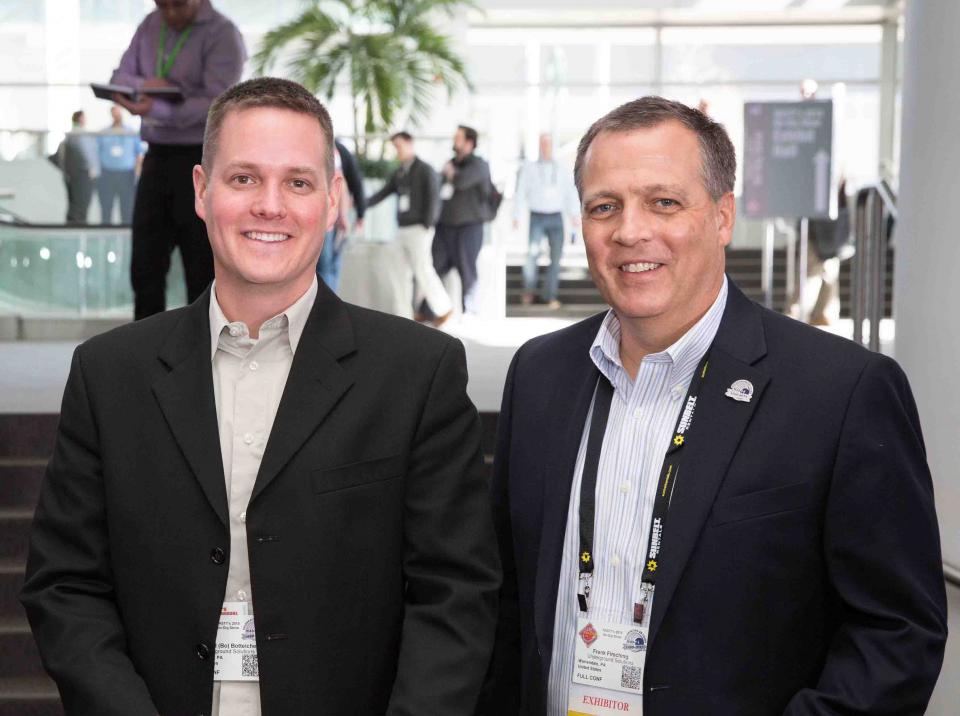
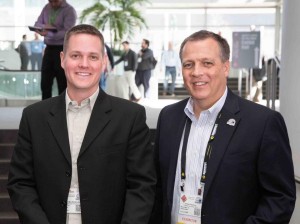
Photo: Richard “Bo” Botteicher and Frank Firsching at NASTT’s 2015 No-Dig Show
Uncategorized
WASHINGTON – The U.S. Environmental Protection Agency (EPA) today announced the winners of its fourth annual Campus RainWorks Challenge, a design competition created to engage college and university students in reinventing our nation’s water infrastructure and developing green infrastructure systems to reduce stormwater pollution and build resilience to climate change. Student teams proposed innovative green infrastructure designs help aid in the development of more sustainable communities.
Stormwater is one of the nation’s most widespread challenges to water quality. Large volumes of stormwater pollute our nation’s streams, rivers and lakes, posing a threat to human health and the environment and contribute to downstream flooding. The Campus RainWorks Challenge engages students and faculty members at colleges and universities to apply green infrastructure principles and design, foster interdisciplinary collaboration, and increase the use of green infrastructure on campuses across the nation.
“Our Campus RainWorks Challenge winners inspire the next generation of green infrastructure designers and planners,” said Joel Beauvais, deputy assistant administrator for EPA’s Office of Water. “All the submissions included innovative approaches to stormwater management. I want to congratulate the University of Texas at Arlington and the University of Maryland for their winning submissions.” Mr. Beauvais announced the winners of the Challenge at an event at the University of Texas at Arlington on Thursday, April 21.
EPA invited student teams to compete in two design categories — the Master Plan category, which examines how green infrastructure could be integrated into a broad area of a school’s campus, and the Demonstration Project category, which examines how green infrastructure could be integrated into a particular site on the team’s campus. Teams of undergraduate and graduate students, working with a faculty advisor, developed innovative green infrastructure designs in one of the categories, showing how managing stormwater at its source can benefit the campus community and the environment.
The 2015 challenge winners are:
University of Texas at Arlington (1st Place, Master Plan category) – The team’s design concept, titled, “Eco-Flow: A Water-Sensitive Placemaking Response to Climate Change,” transforms the campus through green infrastructure placed in relation to the natural water flow of Trading House Creek. The creek flows from northwest to south connecting the campus. The plan proposes to increase biodiversity, restore soil quality and watershed hydrology, and implement photovoltaic cells to supply alternative energy. The plan has the potential to reduce stormwater runoff 25 inches annually, generate more than 1 million kilowatt hours each year, increase campus tree coverage 89 percent, and mitigate 5,000 tons of CO2.
University of Maryland, College Park (1st Place, Demonstration Project category) – The design is centered on reimagining a major, five-acre parking lot to retrofit it for improved stormwater management. The design features reduce 40 percent of impervious surface; add over 17,000 square feet of new vegetation space, 56 new trees for shaded parking spaces, and 8,640 square feet of pedestrian space; and, reduce 12.3 metric tons of CO2 annually. The team’s design has good potential for implementing on other campuses.
Stevens Institute of Technology (2nd Place, Master Plan category) – The team proposed the first stormwater management plan for the Stevens’ campus, “The Living Laboratory.” The design includes 29 green infrastructure techniques, which have been applied to problem areas to reduce runoff, contaminant discharge and potable water usage. The Living Laboratory provides a practical example for urban campus green infrastructure and introduces classroom and community educational opportunities. The team worked with Stevens Facilities and Events Management to ensure the proposed design is aligned with future growth of campus, can be maintained, is aesthetically pleasing and economically responsible.
University of California, Berkeley (2nd Place, Demonstration Project category) – The team chose a creek site on campus that was the university’s first botanical garden with many artificial landscape features that cause drainage problems. While it is home to a legacy of exotic plants, the site lacks habitat conducive to supporting native species and reducing runoff. The team proposes a design that will store 37,000 cubic feet of stormwater runoff, increase pervious surface are by 33 percent and increase native plant species. The design has potential to reduce flooding and restore the ecological diversity of the area.
EPA also recognized teams from the University of Texas at Arlington (Master Plan category) and Northeastern University (Demonstration Project category) as honorable mentions for their entries.
EPA will announce the fifth annual Campus RainWorks Challenge in the summer of 2016.
Green infrastructure tools and techniques include green roofs, permeable materials, alternative designs for streets and buildings, trees, rain gardens and rain harvesting systems. Utilizing these tools decreases pollution to local waterways by treating rain where it falls and keeping polluted stormwater from entering sewer systems. Communities are increasingly using innovative green infrastructure to supplement “gray” infrastructure such as pipes, filters, and ponds. Green infrastructure reduces water pollution while increasing economic activity and neighborhood revitalization, job creation, energy savings, and open space.
More information: https://www.epa.gov/green-infrastructure/2015-campus-rainworks-challenge
Uncategorized
Ottawa, IL, April 4, 2016 – LMK Technologies is pleased to announce the recent appointment
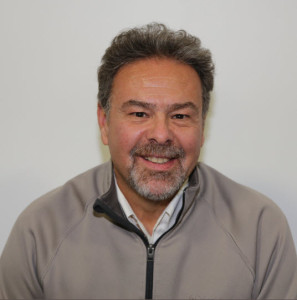 of industry professional Pete Tortorici. Pete has been named Central Midwest Regional Sales Manager.
Pete comes to LMK Technologies with over 30 years of experience in the trenchless, water and sewer industries. His experience includes representing protective coatings and lining products in the municipal and industrial markets as well as selling drainage products, pipe, valves and fittings for underground utilities.
At LMK, Pete will be responsible for providing sales, product and technical support to clients, assisting with project specification review, developing a network of licensed contractors to install LMK products, and educating the industry on the need to address laterals as part of their trenchless rehabilitation programs. Pete belongs to and participates in many industry organizations and associations including APWA, AWWA, ISPE and UCA.
According to LMK Vice President of Sales, Rick Gage, “Hiring Pete supports LMK’s strategic growth plans and strengthens our representation in the Midwest with a seasoned and dedicated industry representative.”
LMK Technologies, a world leader specializing in trenchless methods to renew lateral sewer infrastructure, has more than one hundred U.S. and foreign issued patents for its advancements in trenchless technology. Headquartered in Ottawa, IL since 1993, LMK serves the municipal and residential markets through a network of licensed and certified contractors.
For more information regarding LMK, please visit www.lmktechnologies.com, call 1-815-640-9302 or email info@lmktechnologies.com.
Uncategorized
By Terry Grant
While you were at work today, it’s possible that a new telecommunications conduit system
 was installed along the entire length of your neighborhood without leaving a trace — except possibly for a few paint marks above existing underground utilities and small pothole repairs needed in the street or sidewalk. “No streets were demolished, your driveway remained intact and the trees in your neighborhood playground were left unscathed,” explains Samuel Ariaratnam, Ph.D., P.E. from ASU’s School of Sustainable Engineering and the Built Environment (SSEBE), one of the Ira A. Fulton Schools of Engineering.
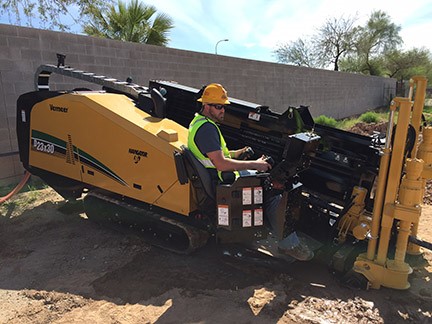
According to Ariaratnam, pipes carrying utilities like telecommunications, electrical, water, gas and fuel are now installed using horizontal directional drilling (HDD), also known as trenchless or no-dig drilling, with nominal disruption to highways, streets, sidewalks, railways, riverbeds and ecologically sensitive areas.
“Instead of digging a trench, HDD contractors bore holes beneath the surface and pull those pipes through — not only leaving the landscape virtually unmarred, but also saving the costs of restoration,” Ariaratnam says.
Although HDD technology has been around for about 40 years, “we’re in the middle of a resurgence of the fiber optics revolution,” says Ariaratnam. “In the next year or so, especially as new telecommunications technologies like Google Fiber come to the valley, it is possible we’ll see 80 to 100 HDD rigs in the Phoenix area.”
Maricopa Association of Governments updates utility installation specs
To keep up with evolving technology, the Maricopa Association of Governments (MAG), a regional planning and policy agency for the Phoenix area, has updated its specifications for installing underground utilities to include HDD. Arvid Veidmark, who represents the Arizona Utility Contractors Association (AZUCA) on the MAG Specifications and Details Committee, was instrumental in bringing industry expertise to the development of the new specification that is now Section 608 in the MAG Uniform Standard Specifications and Details for Public Works Construction.
“Without a standard specification, cities such as Tempe, Avondale and Phoenix would have to create their own supplements,” explains Veidmark. “And there was nothing to ensure that the Phoenix version was close to the Avondale version.” The MAG committee provides the method of coordination between the cities to ensure standardized construction throughout the region.
Veidmark, an owner of Specialized Services Company (SCC), an underground utility installation construction company, has worked with Ariaratnam for more than 15 years on a variety of projects both locally and as far away as Toronto and Dubai. He says asking Ariaratnam and Aaron Cohen, who was an HDD contractor before his return to his alma mater ASU as a lecturer, to join the team was an obvious choice.
Many of the HDD specs were added in a “cut and paste” mode. “You shouldn’t be using same specs for a 42” natural gas transmission line that you use for a cable or telephone line installation,” Cohen says. “Until now, nobody had worked out the details for the different types of projects. Contractors were bidding on projects without understanding best methods, and cities weren’t adequately prepared to evaluate proposals.”
Also important is ensuring that contractors and subcontractors are qualified to do an installation; the new spec requires that key personnel have certificates of training as appropriate. Ariaratnam and Cohen are both instructors for the North American Society for Trenchless Technology (NASTT), and in addition to working with contractors, have developed training programs for agency personnel. “It’s critical that a municipality’s inspectors are familiar with the latest equipment and procedures,” says Ariaratnam.
Collaborative effort
Jim Badowich, City of Avondale Construction Manager, chairs both MAG’s Water and Sewer
 Working Group and the Specifications and Detail Committee. “MAG members, including various agencies and contractor representatives, have been discussing a new HDD specification for some time now,” explains Badowich, “So we are all excited to see it become a reality.”
While MAG typically tries to work with the contracting and manufacturing communities to get current industry information as specs are updated or added, this case was somewhat unique in that public utility companies were actively involved in the entire process, both in providing input and ultimately, reaching consensus on the final spec.
According to Badowich, telecommunication companies have been using HDD to install conduits for years as a cheaper and lower impact means of construction, making a cohesive HDD spec increasingly necessary as cities typically permit and inspect these installations within their rights-of-way. “Plus, more and more cities are now using HDD for their own projects that require the installation of underground conduit systems, such as intelligent transportation systems (ITS) and traffic signals,” he says.
The most important component of Section 608 of the MAG specifications addresses the requirements for three HDD bore sizes — small, medium and large — based on calculating the length of the installation by the diameter of the pipe, or inch-feet. For example, a 200-foot installation of a 4-inch pipe would be a bore size of 800 in-ft. According to Cohen, the average installation is roughly 400 to 500 feet long, with the longest on record in the vicinity of 11,000 feet.
In addition to bore size classifications, the spec establishes preliminary document requirements (site surveys, personnel qualifications, etc.), and clarifies
other requirements based on the type of project.
Room for innovation
Gordon Tyus, the MAG representative coordinating the committee’s efforts, points out that while the spec is likely the most comprehensive on HDD in the region, MAG didn’t want to detail too much of the process. “We wanted to make sure there’s room for innovation and new technology so we aren’t constantly rewriting the text,” he explains. “We wanted the process to be standardized to meet performance requirements, but not so restrictive that we’re spelling out every step.”
Underground infrastructure management, rehabilitation and the development of new underground trenchless technologies in construction engineering are Ariaratnam’s areas of research focus. He holds four related patents, has co-authored five textbooks, and has published more than 250 technical papers and reports, including collaborations with Cohen and Veidmark. In fact, Ariaratnam has solicited advice from Martin Cherrington, who originally conceived the trenchless drilling process in the 1960s and revolutionized the way utilities are installed. Ariaratnam and his team are continually engaged in use-inspired research to advance the industry in engineering and construction practices.
“Municipalities today aren’t spending the money necessary to research the latest construction technologies,” says Veidmark. “Having the insights of Ariaratnam and Cohen, who are knowledgeable on everything from the latest rigs to what kind of drilling fluids work best in specific soil compositions, enabled us to develop processes that ensure contractors are knowledgeable and qualified for the job.” “We worked with all of the constituents to develop this specification,” Ariaratnam explains, “from government inspectors, to utility companies, to contractors and engineers. After about two years and 29 revisions, we have an HDD specification that everyone can live with — and one that may be the first of its kind to encompass varying project sizes. Other municipalities have already begun to use it as a model for updating their own utility installation specs.”
Section 608, Horizontal Directional Drilling, can be found in MAG’s Uniform Standard Specifications and Details for Public Works Construction.
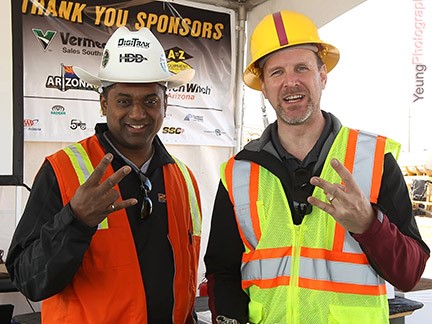
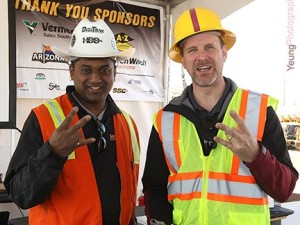
Photo 1- ASU Professor Samuel Ariaratnam (left) and Lecturer Aaron Cohen bring their ASU Pitchforks to a horizontal directional drilling industry event. Photo courtesy of Samuel Ariaratnam.
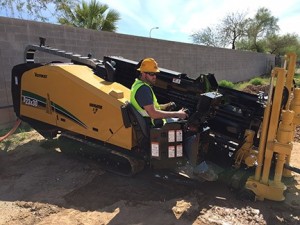
Photo 2- Vermeer Corp. operator Luke Branderhorst operates a horizontal directional drill. Photo courtesy of Samuel Ariaratnam.
Media contact
Terry Grant,
480-727-4089
Ira A. Fulton Schools ofEngineering
Uncategorized
(New York, N.Y.) The U.S. Environmental Protection Agency (EPA) has announced a proposed agreement with the City of New York that establishes the location for two sewage and storm water retention tanks, included as part of the cleanup for the Gowanus Canal Superfund Site. The agreement sets out a schedule for the design of the larger of the two tanks. It also requires New York City to undertake activities to prepare that location for the tank installation, and to pay EPA oversight costs. Prior to finalizing the agreement with New York City, the EPA is accepting public comments.
The proposed administrative settlement agreement and order released today allows New York City to locate an eight million gallon retention tank in New York City’s preferred location, known as the “Head-of-Canal” location, but it also holds the city to a strict schedule. The EPA can require New York City to place the tank in the Thomas Greene Park location instead, if certain activities do not occur on schedule, including if New York City is not able to acquire the land at the Head-of-Canal location within approximately four years. The EPA is accepting public input on the work contained in the proposed agreement for the next 30 days and will have a public meeting on April 25 to discuss the work being secured under the agreement.
“Cleaning up the Gowanus Canal is a daunting task which not only involves dredging toxic sediment, but also building huge retention tanks to reduce the amount of raw sewage that flows into the canal,” said Judith A. Enck, EPA Regional Administrator. “Getting these tanks installed is a key component of the cleanup. The New York City Parks Department prefers not to have a large sewage retention tank permanently located in a city park. The EPA is also committed to preserving urban parkland and therefore spent time working with the City of New York about an alternate location. This proposed location meets the EPA’s twin goals of cleaning up the canal while also protecting urban parkland.”
More than a dozen contaminants, including polycyclic aromatic hydrocarbons, PCBs and heavy metals such as mercury, lead and copper, were found at high levels in the sediment in the Gowanus Canal. PAHs and heavy metals were also found in the canal water. PAHs are a group of chemicals that are formed during the incomplete burning of coal, oil, gas, wood, garbage or other organic substances. PCBs were used as coolants and lubricants in transformers, capacitors and other electrical equipment, and their manufacture was banned in 1979. PCBs and PAHs are suspected of being cancer-causing and PCBs can have neurological effects, as well. To this day, people can still be found fishing in the Gowanus, despite advisories about not eating fish from the canal. In 2010, the Gowanus Canal was added to EPA’s Superfund list of the nation’s most contaminated hazardous waste sites.
The EPA’s cleanup plan requires that New York City construct two sewage and storm water retention tanks to significantly reduce CSO discharges from two key locations in the upper portion of the canal. These discharges are not being addressed by current New York City upgrades to the sewer system. Without these controls, contaminated sewage discharges would re-contaminate the canal after its cleanup. In its cleanup plan the EPA estimated that a reduction of 58% to 74% of these discharges will be needed to maintain the effectiveness of the cleanup, and the new tanks are being designed to achieve that goal.
The EPA issued its final cleanup plan for the Gowanus Canal Superfund site on September 27, 2013. The cleanup includes dredging contaminated sediment that has accumulated on the bottom of the canal as a result of industrial and sewer discharges. The dredged areas will be capped. The plan also includes controls to prevent combined sewer overflows, or CSOs, and other land-based sources of contamination from compromising the cleanup. Under administrative orders with the identified potentially responsible parties, the EPA is currently conducting and overseeing engineering design work needed for the site cleanup. The canal design work is expected to continue for another two years, followed by the start of cleanup operations, which the EPA expects will be initiated at the 4th Street basin and the top of the canal in 2019.
The EPA’s cleanup plan assumed possible locations for the two tanks, both owned by New York City — the Thomas Greene Park location for the larger tank at the top of the canal and the Department of Sanitation salt storage lot located at 2nd Avenue and 5th Street for the smaller tank in the middle of the canal. The cleanup plan specified that the final locations would be determined during the design phase of the project. The EPA and New York City have already agreed that one tank, with a capacity of four million gallons, will be located at the Department of Sanitation salt storage lot.
For the larger eight million gallon tank at the top of the canal, New York City proposed as its preferred location two adjacent properties on Nevins Street between Butler and DeGraw Streets. The EPA and New York City agreed to locate the larger tank at this Head-of-Canal location. The agreement also requires the City to carry out actions to prepare that site for installation of the tank, including removal of contaminated soil.
This site selection decision is contingent on New York City meeting certain conditions that have been detailed in the proposed agreement. If these conditions are not met within timeframes specified in the agreement, EPA can require New York City to design the tank for construction at the Thomas Greene Park location. Under the agreement, New York City will work concurrently on tank designs for both locations, as a contingency.
The agreement between EPA and New York City aims to avoid a potential permanent loss of parkland at the Thomas Greene Park. The park, which includes a swimming pool, is important to the community, with 40,000 visitors in 2015. The Head-of-Canal location is expected to provide additional open space in the community.
The EPA will hold a public meeting on April 25 at P.S. 32 located at 317 Hoyt St., Brooklyn, N.Y. at 6:30 p.m. to explain the work being secured under the agreement and is encouraging public comments. Comments will be accepted until May 16.
mugdan.walter@epa.govhttps://www3.epa.gov/region02/superfund/npl/gowanus/
Additionally, comments can mailed or emailed to:
Walter Mugdan, U.S. EPA Superfund Director
290 Broadway, Floor 19, New York, N.Y., 10007
To read the agreement between the EPA and New York City, please visit: or visit EPA’s document repository located at the Carroll Gardens Library at 396 Clinton St. in Brooklyn, New York.
Uncategorized
THOMPSON, CONNECTICUT USA, April 4, 2016– Numa, the leading designer and
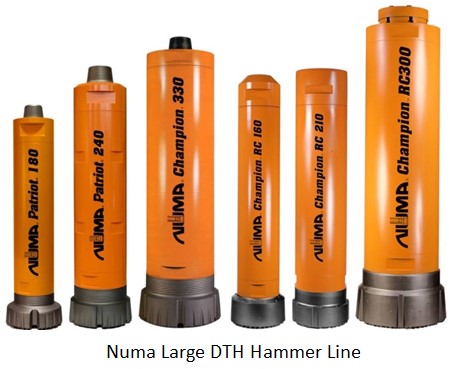
 manufacturer of DTH hammers and bits, is proud to announce the addition of Wequips as its new distributor in Central America. Wequips has a well established reputation for providing customers around the world with the right solutions in the construction, maritime and offshore industries. In addition to Numa products, Wequips offers a wide range of equipment, tools, materials and services to contractors, port authorities and government agencies.
Wequips will sell and support the full range of Numa’s down hole hammers and bits in Ecuador, Mexico, Panama, Costa Rica, Nicaragua, Honduras and Guatemala. Their experience with different working methods and product applications will assist customers in choosing the right equipment to work in the most efficient way. Wequips is conveniently located in Panama City and can serve customers in Spanish, English and Portuguese.
The appointment of Wequips further cements Numa’s expanding global presence to provide
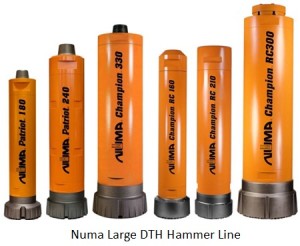 point-of-service support for their hammers and bits. Ralph Leonard, President of Numa, commented, “Wequips is fully invested in serving its customers and is exactly the type of distributor we want to represent our product line. Their dedication to customer service and know-how of different industries and countries will be an invaluable asset to Numa customers in the region. We look forward to great results in Central America for the Numa-Wequips alliance.”
Wiger Franke, General Director of Wequips further stated, “Wequips strives to offer tailor-made solutions for each customer, and for each project. Our broad range of solutions and services offers our customers some of the best products in the world. Partnering with Numa was an extremely important step for us as we added the foremost leader in the DTH industry to our arsenal. We are excited to join the Numa team.”
For further information on Wequips, please email Wiger Franke at info@wequips.com or call him on +507 321-1275. Please also visit the Wequips website at www.wequips.com.
ABOUT NUMA
Numa is the world’s leading designer of rock drilling equipment with over 100 DTH Hammer and Bit products serving 11 different industries. Our products are capable of drilling vertical, horizontal, and reverse circulation holes from 3½ to 48 inches (89 – 1,219 mm) in diameter and are used in 105+ countries. We have built our customer-centric reputation on providing the highest value in products, performance and personal service available in the rock drilling marketplace.
About WEQUIPS
Wequips is focusing on providing solutions in the construction, maritime and offshore industry. Wequips offers a wide range of equipment/tools, materials and services to contractors, port authorities and government agencies. The experience with different working methods around the world and product applications will assist the customer to choose the right equipment and give local support to work in the most efficient way. In this way our customers benefit from our comprehensive know-how in the different industries and countries. Wequips is conveniently located in Panama City and can serve customers in Central and South America, both in Spanish, English and Portuguese.
Uncategorized
April is National Safe Digging month and every year many companies, including 811, promote
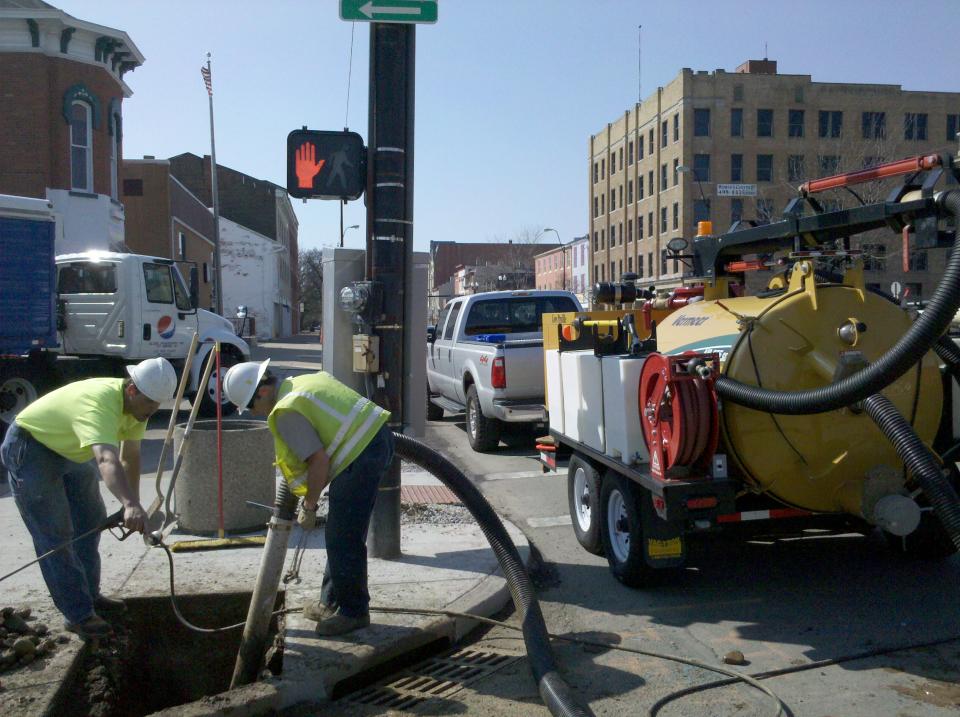
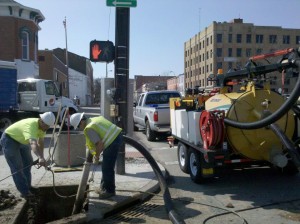 the importance of having a plan before you begin digging. Every six minutes an underground utility line is damaged and the growing trend in preventing these accidents is utilizing vacuum excavation. There are many instances when vacuum excavation is the safest and most productive option for digging compared to traditional excavation.
Saving Utility Lines – Digging around lines using vacuum excavation is less intrusive to the surrounding dig site and provides a cleaner hole. It exposes the piping without abrasive force compared to a front-end loader or shovel. Air or hydro vacuum excavation dramatically reduces the chance of a cut or break into the utility lines which helps with cost, safety, and time.
Directional-bore projects, specifically those areas where the bore route will cross other utilities, and especially when the bore route crosses natural gas lines buried within the road or other paved areas is another example of when vacuum excavation is the best option. A gas line strike with traditional excavation is one of the worst disasters a project can incur and happens too often. Vacuum excavation is a much safer alternative when digging around gas lines.
The cost of damaging utilities can range from environmental contamination, project delays, lost time and productivity and even more tragically, death.
Because vacuum excavation is so safe and precise, it is even being used for trench rescues due to the speed and safety of removing the soil from around a victim.
Be sure to use proper protective gear while using a vacuum excavator. This usually includes rubber steel-toe boots, safety glasses, face shield, hard hat, gloves, safety vest and hearing protection.
Vacuum excavation is used worldwide and has quickly grown into the best method for safer digging. Vac-Tron Equipment is the industry leader in vacuum excavation and has worked tirelessly to gather industry research and data in order to make safety a priority. For over 20 years, Vac-Tron equipment has developed innovative, reliable vacuum excavation equipment.
YouTube Video:
To learn more about adding a vacuum excavator to your fleet, request a demo at vactron.com/request-a-demo or call 1-888-822-8766.
Uncategorized
After six seasons of in-river work, dredging to remove polychlorinated biphenyls (PCBs) from a 40-mile stretch of the upper Hudson River between Fort Edward and Troy, New York, was completed in the fall of 2015. The cleanup was conducted and paid for by General Electric Company with EPA oversight under a legal agreement with the EPA.
The current five year review will include new data to be collected this spring and summer, including fish, water and sediment data. EPA will also use all available data for the project, including fish, water and sediment data collected since the last five-year review.
This five-year review will be one of a series of future reviews. It will evaluate whether the stated goals of the project are being met, or are expected to be met, based on the available data. Several more years’ worth of post-dredging data will be needed to understand the reduction of PCB levels in fish as a result of the project.
The five-year review will also include a review of the cleanup plan for the areas of PCB-contaminated sediment upstream of the areas targeted for dredging. These areas, known as the remnant deposits, became exposed after the river water level dropped following removal of the Fort Edward Dam in 1973. These areas are now capped, maintained, and monitored.
As part of the EPA’s commitment to conduct the five-year review in a transparent manner, in 2016 the EPA will hold public workshops with the Hudson River PCBs Site Community Advisory Group to discuss the second five-year review. The Hudson River Community Advisory Group meetings are open to the public and information about the workshops will be announced in advance. Following an evaluation of data and discussions with the federal Hudson River Natural Resources Trustees, New York State and the Community Advisory Group, the EPA expects to issue the second five-year review report in late 2016 or early 2017 and will make it available for public comment. The second five-year review will be completed by April 23, 2017.
The five-year review report will be available on the EPA’s Hudson River website athttp://www.epa.gov/hudson and in the local repositories established for the site: Edgewater Public Library, 49 Hudson Avenue, Edgewater, NJ 07020; Adriance Memorial Library, 93 Market Street, Poughkeepsie, NY 12601; NY State Library, Cultural Education Center, Empire State Plaza, Albany, NY 12230; Crandall Public Library, 251 Glen Street, Glens Falls, NY 12801; Saratoga County EMC, 50 W. High Street, Ballston Spa, NY 12020; EPA Hudson River Field Office, 187 Wolf Road, Suite 303, Albany, NY 12205; and at the EPA Region 2 Superfund Records Center, 290 Broadway – 18th Floor, New York, NY 10007.
Between 1947 and 1977, an estimated 1.3 million pounds of PCBs were discharged into the river from two General Electric capacitor manufacturing plants located in Fort Edward and Hudson Falls, New York. The dredging of the Hudson River was designed to occur in two phases. The first phase of the dredging project was conducted in 2009. The plan for dredging underwent extensive review by the EPA and General Electric Company at the end of the 2009 dredging season. The plan was also reviewed by a panel of independent scientific experts at that time, and various stakeholders participated in that review, including the Hudson River Natural Resources Trustees, the Hudson River Community Advisory Group and members of the public. The second and final phase of dredging began in June 2011 and concluded in fall 2015. During 2016 restoration of habitat areas disturbed by the dredging will be completed. The 100-acre Fort Edward facility that was constructed to dewater and process the dredged sediment is in the process of being taken apart, after which the site will be restored. Once that process is completed, and the required project reports are prepared and approved by the EPA, the dredging portion of the cleanup will be considered complete. The Operation, Maintenance & Monitoring phase of the project is underway and will continue. During this phase, monitoring is conducted to track the ongoing recovery of the river and the effectiveness of the cleanup over time. As stated above, the EPA will also continue to conduct five-year reviews of the project.
(Albany, NY) The U.S. Environmental Protection Agency has initiated its second review of the cleanup of the Hudson River PCBs Superfund site. The purpose of this review, which is called a five year review and is legally required under the Superfund law every five years after the start of on-site construction, is to ensure that the cleanup is working as intended and will be protective of public health and the environment. The first five-year review for the Hudson River PCBs Superfund Site was completed in 2012 and the EPA anticipates conducting reviews every five years well into the future. The EPA will conduct its current review in an open and transparent manner with input from the public.
Detailed Hudson River Superfund site information can be found on the Internet at http://www.epa.gov/hudson.
For further information or to submit comments on the five year review of the Hudson River PCBs Superfund site, please contact Gary Klawinski (Hudson River Field Office Director) at Klawinski.gary@epa.gov or Larisa Romanowski (Community Involvement Coordinator) atRomanowski.larisa@epa.gov. They can also be reached at:
U.S. Environmental Protection Agency
Hudson River Field Office
187 Wolf Road, Suite 303
Albany, NY 12205
(518) 407-0400 or (866) 615-6490 (Toll Free)
Uncategorized
Lithos Engineering is excited to announce our newest team member: Amara Meier. In March, 2016, Amara joined Lithos Engineering as a Geological Engineer and will be based out of our Lakewood, CO Office. Amara has a Bachelor of Science from the University of Wisconsin-Madison; she double-majored in Geological Engineering and Geology & Geophysics. After completing her undergraduate work, Amara attended Colorado State University where she received a Master of Science in Civil and Environmental Engineering.
Nate Soule, Vice President and Tunnel Practice Lead for Lithos Engineering said, “Amara is a great addition to the Lithos family and her skill set and personality are a great addition to our team. I am certain our clients will quickly be impressed by the value that she brings to our tunnel, trenchless, geotechnical, and geological engineering services.”
Prior to joining Lithos Engineering and starting her graduate work, Amara worked for Barr Engineering in Duluth, MN; performing field investigations for various remediation project sites. At Lithos, Amara will assist with geologic and geotechnical investigations, tunnel and trenchless designs, and construction management. Starting in June, 2016, Amara will be providing oversight during construction of an 800-foot-long, hard rock tunnel, designed by Lithos Engineering and located in the mountains west of Fort Collins, CO.
Lithos Engineering was formed with the vision of serving our communities by providing our clients and their projects with recognizable value through prudent site evaluations, constructible solutions, and an understanding of project risks. Lithos focuses on tunnel, trenchless, geotechnical, and geological engineering and design services through innovative, collaborative, client-focused consulting uniquely tailored to suit the needs of our clients and their projects.

 chosen HammerHead Trenchless Equipment’s Same Path™ gas line slitting technology for recognition as an industry-leading innovation in 2016. Each year NASTT judges choose just two products contributing to the advancement of trenchless solutions to receive its Abbott Innovative Product Award. Judging and presentation take place during the annual NASTT No-Dig Show, held this year in Dallas, Texas, March 20 through 24.
 the tooling at the request of Ditch Witch in California. Mike Anderson, Ditch Witch Bay Area, Central & Southern California president, and two in-house HammerHead equipment specialists, Kevin Campbell and Cameron Zoucha, had identified a need for better gas line slitting technology. HammerHead engineering worked with them to develop the tooling and methodology successfully used in the field by the Ditch Witch in California group since its introduction.