Uncategorized
New Patent Pending Multi-Sensor Probe Represents First Device to Accurately Find and Measure Water Losses
SACRAMENTO, Calif. — Electro Scan Inc., a global leader in pipe condition assessment announced its new patent pending multi-sensor probe that accurately finds and measures water losses.
The Company’s game changing leak detection technology is featured as part of a 90-day / 16-city international roadshow that began this week.
Water utilities commonly lose 20-30% of their production before delivery to a customer’s meter, with fixing the wrong pipe often costing 10 times more than fixing the right pipe.
 Since legacy equipment, like acoustic sensors, data loggers, electro-magnetic sensors, and visual inspections are not able to reliably find water leaks, next generation technologies have been needed to accurately assess water mains and certify their repair.
“We are delighted to unveil our new technology,” said Chuck Hansen, Chairman, Electro Scan Inc. and former Chairman, Hansen Information Technologies, sold to Infor Global in 2007.
Explains Hansen, “By combining the latest technologies into our 4-in-1 Multi-Sensor Probe, offered as an exclusive service, utilities can quantify each leak’s size, location, and estimated GPM [LPS], in minutes.”
Electro Scan’s technology assesses both pressurized and gravity water mains while pipes remain in service.
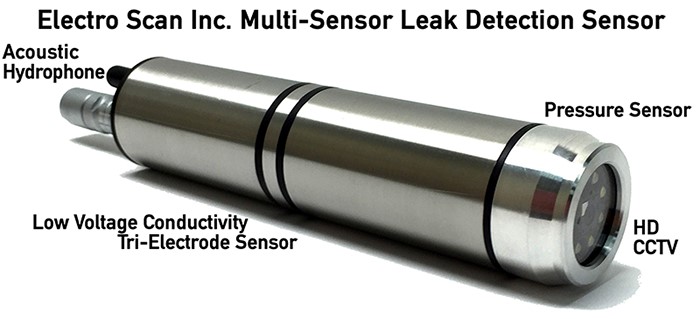
The Company’s patent pending multi-sensor probe, includes:
1. Low Voltage Conductivity Sensor– Measures individual leaks and total defect flows utilizing a low voltage conductivity tri-electrode array to find leaking cracks, pinholes, defective joints, bad service connections, and other openings to ground.
2. High Definition Camera– Assists operators in navigating through water mains and documents leak locations found by low voltage conductivity sensor using a standard 1920×1080 high definition camera recording at 30 frames per second (fps).
3. Pressure Sensor– Provides location-specific water pressure to assist in calculating defect flow rates.
4. Acoustic Sensor– Records sound vibrations and provides benchmark of legacy results that can be readily compared to low voltage conductivity results.
“The Electro Scan 4-in-1 water probe was designed to find leaks not previously found by legacy methods,” states Mark Grabowski, General Manager, Electro Scan. “If a pipe leaks electricity, it leaks water. Now we can provide a reliable, repeatable, and measurable solution for the water industry, based on our proven technology already being deployed in the wastewater collection industry.”
Pipe materials best suited for low voltage conductivity surveys, include: Asbestos Cement, Cement-Mortar Lined and Coated Steel Pipe, Cured In-Place Pipe, Fiberglass Reinforced Pipe, High-Density Polyethylene Pipe, Prestressed Concrete Cylinder Pipe, Polyethylene Pipe, Polyvinyl Chloride, and Reinforced Concrete Pipe.
Using a neutrally buoyant fiber optic cable, the Company can evaluate up to 2,000ft (610m) of water main from a single point of entry, accessed through fire hydrants, air valves, flow meters, gate valves, and pressure fittings.
“In the past, acoustic sensors may have suggested locations of general anomalies,” said Carissa Boudwin, Director of Marketing, Electro Scan.
Continues Boudwin, “But, false-positive readings, poor data repeatability, reliance on third party data interpretation, ambient noise from road traffic, water table heights, pipe diameter, and the inability to assess PVC, PE, and HDPE pipes, has limited its usefulness to find non-revenue water losses and optimize CAPEX plans.”
Electro Scan’s 16-city roadshow, includes:
Sept 9-10 IKT Praxistage „Neubau, Sanierung und Reparatur“Gelsenkirchen, Germany
Sept 13-15 SAP for Utilities, North American Conference, Huntington Beach, CA
Sept 14 Water JAM, Virginia Beach, VA
Sept 22-23 Water Innovation Summit, Berkeley, CA
Sept 23-25 Iowa League of Cities, Cedar Rapids, IA
Sept 26-30 WEFTEC, McCormick Place, Booth #2804, Chicago, IL
Oct 11-14 AMWA Executive Management Conference, Savannah, GA
Oct 13-16 AWWA Water Infrastructure Conference, Bethesda, MD
Oct 20 UKSTT Road Show, Bristol, UK
Oct 22 Rocky Mountain Water Environment Association, Vail, CO
Oct 26-29 AWWA Calif-Nevada Annual Conference, Las Vegas, NV
Nov 6 American Leak Detection Annual Meeting, Chicago, IL
Nov 11-13 California Water Association, Monterey, CA
Nov 17-19 Trenchless Technology Roadshow, Richmond, BC
Dec 4 Hawaii Water Environment Association, Honolulu, HI
Dec 8-9 North American Water Loss Conference, Atlanta, GA
Electro Scan has been named Best CleanTech Company (The New Economy), Best Innovative Technology (Water Environment Federation), Innovative Product Award (North American Society for Trenchless Technology) and Best Project (UK Society of Trenchless Technology).
While equipment is not available for purchase, the new technology is available as a professional service offered directly by the Company.
About Electro Scan
The privately-held Company designs advanced instrumentation, mobile, and cloud computing applications that automatically locates, measures, and reports defects in water, sewer, and gas pipelines.
Contacts
Uncategorized
(Lenexa, Kan., Sept. 21, 2015) – EPA has designated Sept. 21-25, 2015, as SepticSmart  Week. In recognition of this event, EPA and its state, local and industry partners are working around the country to help raise awareness about the need for proper care and maintenance of septic systems and to encourage homeowners to do their part.
By taking small steps to care for and maintain their septic systems, homeowners will not only be helping to protect public health and the environment, they can also save money and protect property values.
Approximately 20 percent of American households and 33 percent of new construction (both domestic and commercial) are served by septic wastewater systems or other types of onsite wastewater systems. Today’s septic systems and onsite wastewater systems feature advanced technologies enabling them to achieve the same level of wastewater treatment provided by the traditional sewer systems.
Septic systems can be designed as “cluster systems,” enabling them to treat large volumes of wastewater from multiple homes, apartment complexes, or businesses. Because treated effluent from septic systems is reused and recharges the local underground aquifer, they are regarded as “Green Infrastructure.”
As the nation’s population continues to grow and cash-strapped rural and small communities look for viable, low-cost and effective methods of wastewater treatment, septic systems will continue to play a critical role in our nation’s wastewater infrastructure.
For septic systems to effectively treat wastewater to levels that provide adequate protection to public health and valuable water resources, proper system care and maintenance is vital. When homeowners “flush and forget” about their septic systems, it can lead to system back-ups and overflows, which can result in costly repairs, pollution of local waterways, and added risks to public health and the environment.
State and local governments, industry professionals, environmental groups and others are urged to use a free online toolkit of EPA resources to promote the proper care and maintenance of septic systems.
Uncategorized
NASTT turns 25 in 2015! What was happening 25 years ago?
On September 15, 1990, the Florida lottery went over $100,000,000!
On September 18, 1990, a 500 lb, 6-ft Hershey Kiss was displayed at 1 Times Square, NYC.
On September 19, 1990, “Goodfellas“, directed by Martin Scorsese, starring Robert De Niro, Joe Pesci, and Ray Liotta, was released.
Check in every Friday in 2015 when NASTT posts more facts about 25 years ago…
Uncategorized
First Rock/EPB TBM in North America represents an Evolution in Design
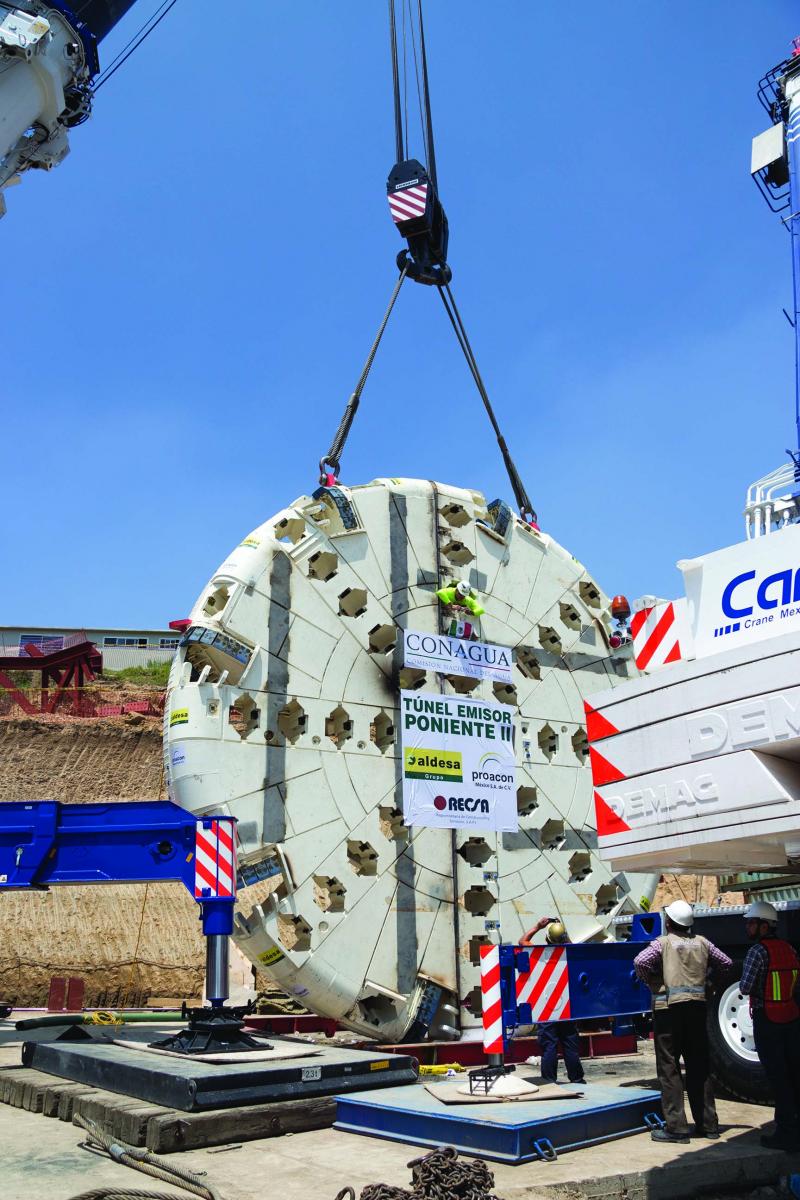
On August 10, 2015, North America’s first Robbins Crossover TBM was launched for the Túnel Emisor Poniente II (TEP II) Project in Mexico City, a complex wastewater scheme for joint venture contractor ALDESA/PROACON/RECSA. Assembled onsite using OFTA (Onsite First Time Assembly), the 8.7 m (28.5 ft) dual-mode type machine is an XRE TBM, and part of the new Robbins Crossover TBM series. The XRE TBM is capable of “crossing over” (X) between two modes, rock (R) and EPB (E), and its fine-tuned design represents a new generation of Crossover machines.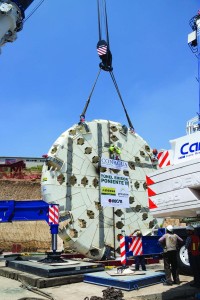
Variable ground conditions necessitated the contractor’s choice of a Robbins Crossover TBM. The 5.9 km (3.7 mi) tunnel consists of sections ranging from fairly competent to weathered volcanic rock, soft sands, and clays. While standard TBMs tend to lose efficiency in these kinds of variable conditions, the Crossover TBM is equipped with special design features to tackle the mixed ground. These field-tested features include a single-direction cutterhead for more efficient excavation in abrasive ground, and multi-speed gearboxes. The specialized gearboxes provide added torque at low RPM in fault zones and soft ground, as well as high RPM for rock boring.
The design of the TEP II machine was based largely on experience from past Robbins projects, in particular the Kargi Kizilirmak Hydroelectric Project in Central Turkey. At Kargi, Robbins supplied a 9.84 m (32.3 ft) diameter Double Shield TBM, based on initial geologic reporting of fractured hard rock. Within 80 m (260 ft) of launch, the geology became substantially more difficult than expected, consisting of blocky rock, sand, clays and water-bearing zones. The machine required multiple bypass tunnels and major modifications before it could resume excavation.
Modifications included a custom-built canopy drill and positioner for enhanced drilling and ground consolidation, gear reducers to adjust torque and RPM to changing ground conditions, and short stroke thrust jacks to double total thrust capabilities. After the modifications, advance rates increased dramatically in the difficult ground and soared to 723 m (2,370 ft) in one month as conditions improved. The modifications proved instrumental to the design of Crossover XRE (Rock/EPB) TBMs, including the TEP II machine. 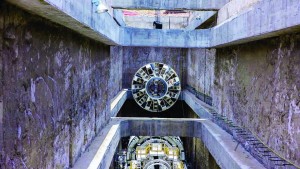
The contractor at TEP II is confident about the machine’s abilities, which are optimized for hard rock but with many EPB characteristics: “In my opinion, the best part about the design of this TBM is the cutterhead; it is very robust,” said Sebastián Gallego Murillo, TEP II Production Manager for PROACON. He added that the biggest challenge would come near the end of the tunnel drive: “We expect to convert [from hard rock] to EPB mode due to the soils in this area. We will need to change out the cutters and modify the cutterhead.”
The benefits of the project are worth the potential challenges. “This tunnel will reduce flooding in the west and northwest areas of the Valley of Mexico, and increase wastewater capacity. It will benefit three municipalities that are home to 2.1 million people,” said Gallego. Twenty years in the making, the TEP II tunnel will eradicate chronic flooding in the sensitive municipalities of Tlanepantla, Atizapan de Zaragoza and Cuautitlan Izacalli, which have historically been affected with overflows as high as 2 m (6.6 ft) during the rainy season.
Contact Information: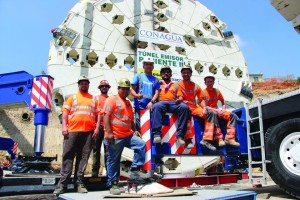
Desiree Willis
Public Relations Manager
Direct: 253.872.4490
29100 Hall Street
Solon, OH 44139 USA
Image 1:North America’s first Robbins Crossover TBM, an 8.7 m (28.5 ft) machine, was launched at Túnel Emisor Poniente II on August 10, 2015 in Mexico City.
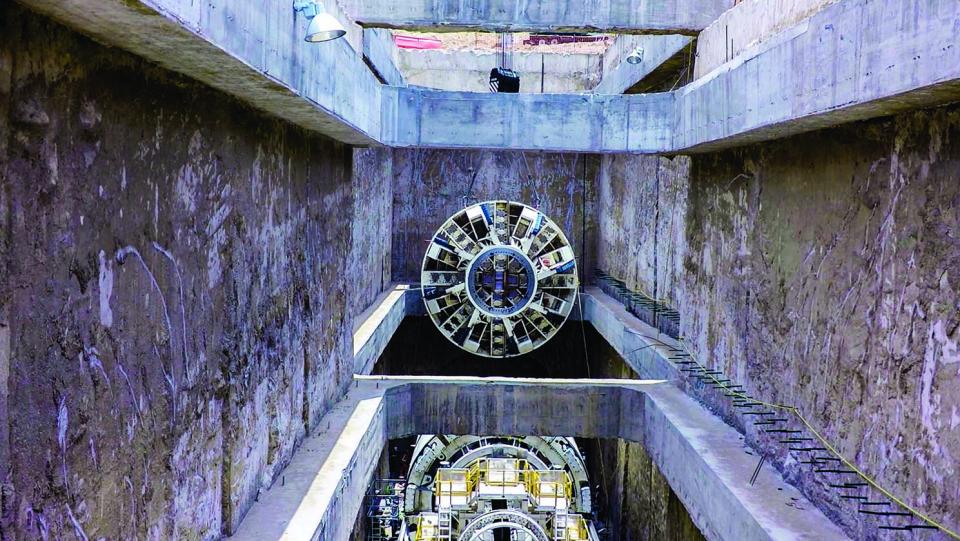
Image 2: The machine was assembled using Robbins’ Onsite First Time Assembly (OFTA) method instead of in a shop—a proven way to save both time and money.
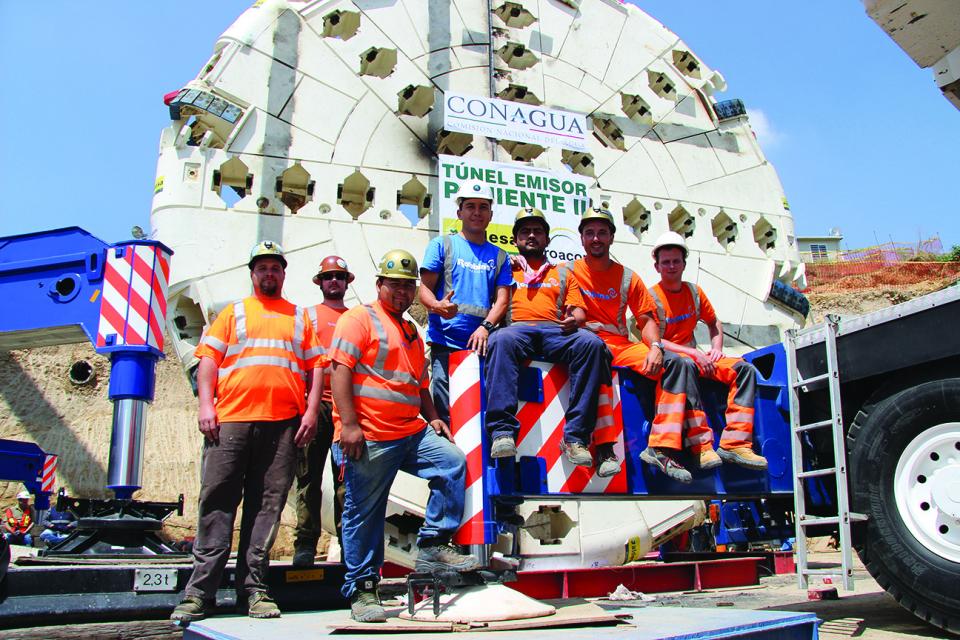
Image 3: Robbins Field Service worked proudly alongside the contractor to provide support and training during the complex machine’s assembly and launch.
Want to watch a video of the assembly and launch ceremony? Click here!
Uncategorized
Release Date: 08/31/2015
WASHINGTON — The U.S. Environmental Protection Agency (EPA) is proposing two new hazardous waste rules to strengthen environmental protection while reducing regulatory burden on businesses. One of the proposed rules will protect waterways, including drinking and surface water, by preventing the flushing of hazardous waste pharmaceuticals and simplify the requirements for healthcare workers. The other rule will provide greater flexibility to industry while requiring new safeguards to protect the public from mismanagement of hazardous waste.
“These rules provide businesses with certainty and the flexibility they need to successfully operate in today’s marketplace,” said Mathy Stanislaus, assistant administrator of EPA’s Office of Solid Waste and Emergency Response. “The proposals will improve the safety and health of our communities by providing clear, flexible, and protective hazardous waste management standards.”
The proposed hazardous waste pharmaceuticals rule will make our drinking and surface water safer and healthier by reducing the amount of pharmaceuticals entering our waterways. EPA’s proposal is projected to prevent the flushing of more than 6,400 tons of hazardous waste pharmaceuticals annually by banning healthcare facilities from flushing hazardous waste pharmaceuticals down the sink and toilet.
The proposed rule will reduce the burden on healthcare workers and pharmacists working in healthcare facilities by creating a specific set of regulations for these facilities, including hospitals, clinics, and retail stores with pharmacies and reverse distributors that generate hazardous waste.
EPA’s proposed generator rule will enhance the safety of facilities, employees, and the general public by improving labeling of hazardous waste and emergency planning and preparedness. The proposal will also reduce burden by providing greater flexibility in how facilities and employees manage their hazardous waste and make the regulations easier to understand.
EPA solicited public comment on improving hazardous waste management from states, healthcare facilities, retailers, facilities generating hazardous waste, and other key stakeholders. Both proposals directly address the challenges raised by these stakeholders in implementing and complying with hazardous waste regulations.
The Agency will accept public comments on the proposal for 60 days following publication in the Federal Register.
Read Assistant Administrator Mathy Stanislaus’ blog “Making Hazardous Waste Regulations Work for Today’s Marketplace” here: https://blog.epa.gov/blog/2015/08/making-hazardous-waste-regulations/
For additional information on these proposed rules, including how to submit comments, visit: http://www2.epa.gov/hwgenerators
Uncategorized
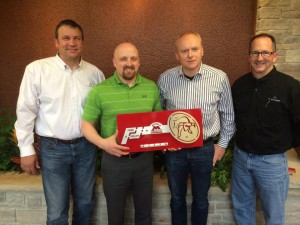
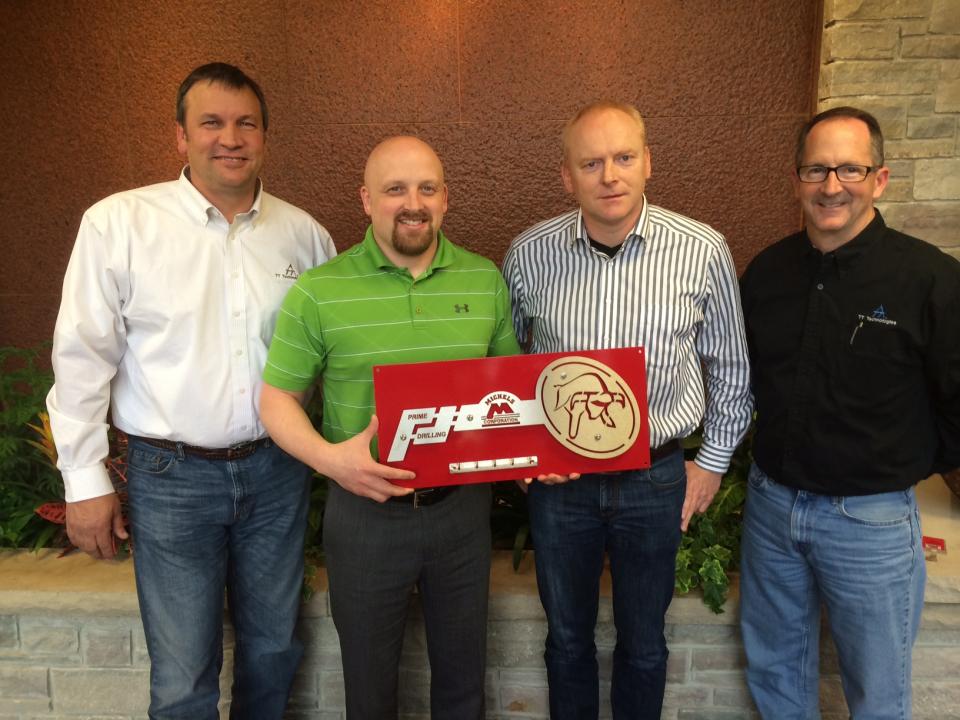
BROWNSVILLE, Wisc. – Michels Corporation recently took possession of a new Prime Drilling HDD rig at a key ceremony held in Brownsville, Wisc. The new Prime Drill 80/45 was acquired through trenchless equipment manufacturer TT Technologies, Aurora, Ill. Manufactured by Prime Drilling GmbH, Wenden, Germany the drills have been available in Europe for over 15 years. However, the availability of Prime Drilling HDD rigs in the US market is something that has just occurred over the last few years, facilitated by TT Technologies.
The Prime Drill 80/45 provides 180,000 lbs. of pull force and lightweight profile, weighing only 44,000 lbs. The unit is capable of drilling lengths up to 3200 feet with diameters up to 40 inches. The Prime Drill 80/45 joins Michel’s impressive fleet of over 84 drilling rigs of all sizes, including the largest fleet of 1.2 million pound thrust/pull force capacity rigs in the world.
Pictured in the key ceremony are Benjamin Ploederl, Michels Corporation; Ralf Kiesow, Prime Drilling; and Scott Kneip and Bill Brennan TT Technologies.
Uncategorized
NASTT turns 25 in 2015! What was happening 25 years ago?
On August 23, 1990, East and West Germany announced that they would unite on October 3.
On August 24, 1990, Armenia declared its independence from the Soviet Union.
On August 24, 1990, Darkman was released in theaters starring Liam Neeson.
Check in every Friday in 2015 when NASTT posts more facts about 25 years ago…
Uncategorized
GREENVILLE, S.C.— Fifteen years ago, Tommy Toombs responded to an online job posting 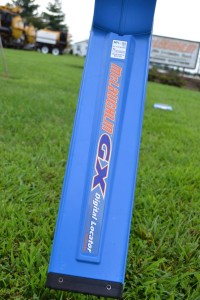 for an underground locating position. The hiring manager was hesitant to hire a novice but Toombs wouldn’t take no for an answer — and his persistence paid off.
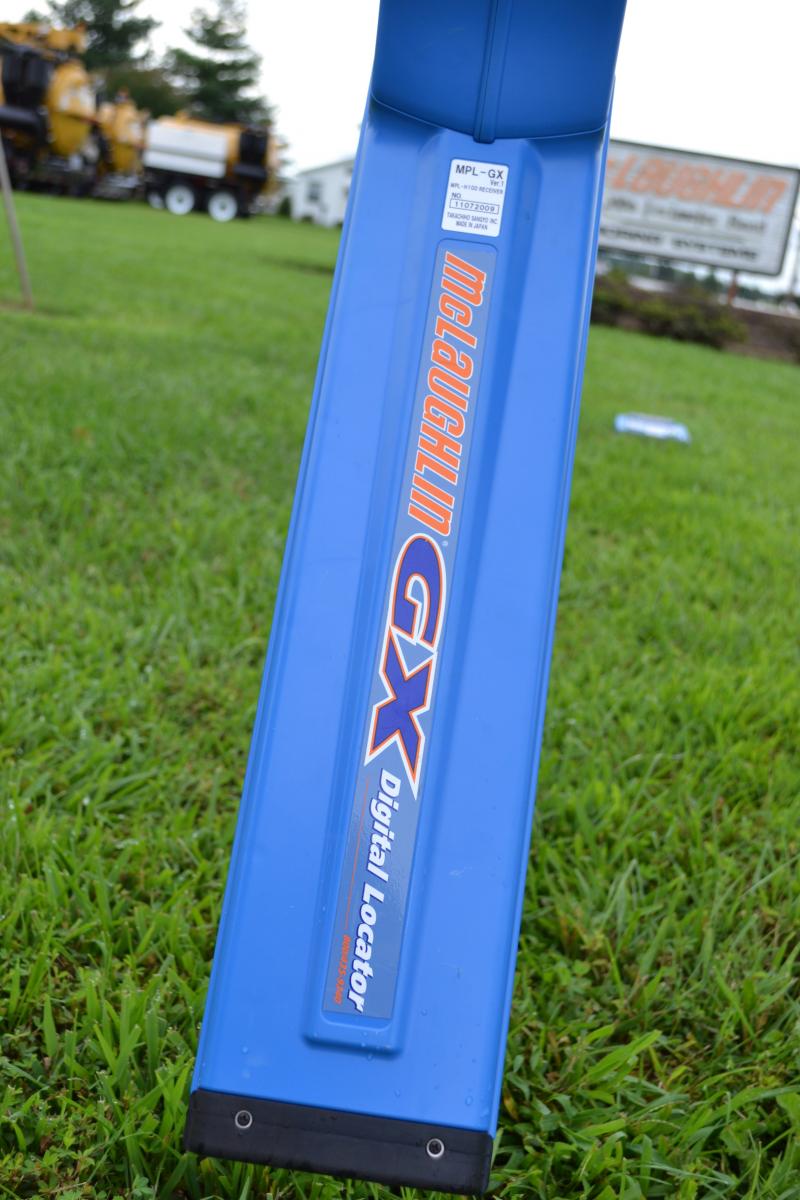
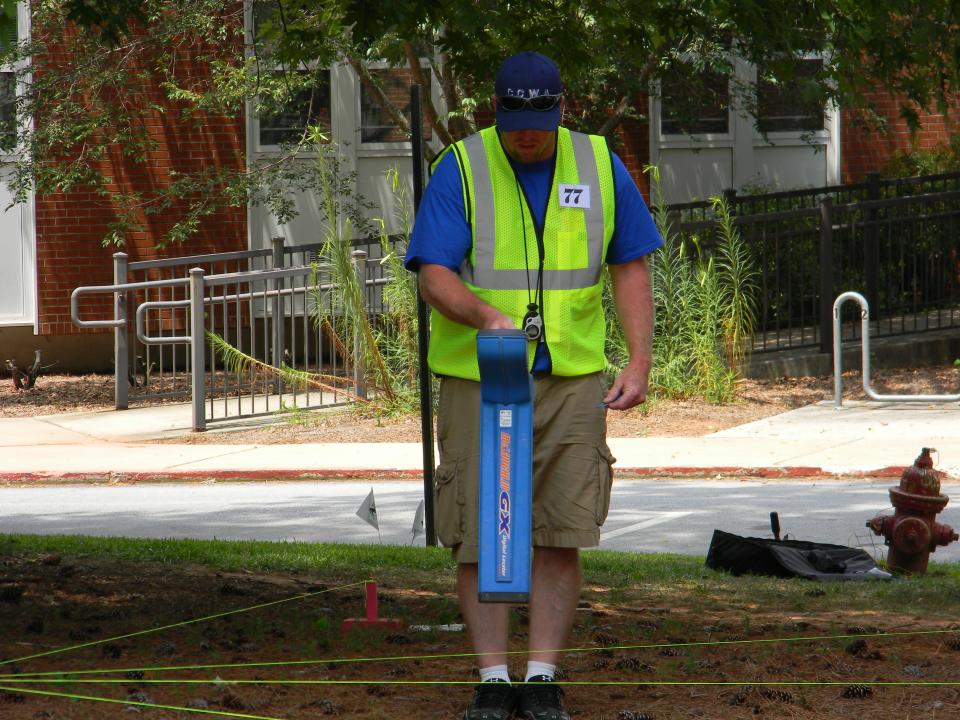
Now a locator at USIC Inc., Toombs’ determination helped him shine again at the International Utility Locate Rodeo, held at the University of West Georgia, in Carrollton, Georgia, last month. Using a McLaughlin GX locator, Toombs outperformed 16 of his peers to sweep all three water division challenges and win the overall water division competition.
“This was the second year that McLaughlin sponsored me in the Locate Rodeo. I got second place in the water division last year, and I took it all this year,” Toombs said. “I like the challenge of competing in an event where we’re judged on timing and accuracy. It showcases our industry well because every day we’re faced with getting the job done efficiently and accurately so we can move onto the next one.”
Toombs discovered the McLaughlin GX locator about two years ago, when a sales representative conducted a jobsite demonstration.
“My boss told me to ‘just try it,’ and I kinda fell in love,” said Toombs. “The McLaughlin GX does everything that I need it to do.”
The Runner-up
Don Conner, a locating crew leader for Clayton County Water in Georgia, finished second in the Locate Rodeo overall water division competition. An 11-year industry veteran, Conner said he performs water and sewer locates on a daily basis.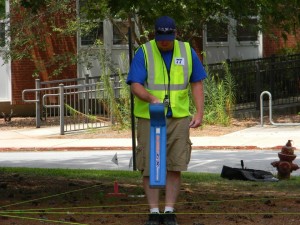
“McLaughlin sponsored me last year, and I was really nervous and overthinking every aspect of the locate, and I finished middle of the road,” said Conner. “This year, I was able to keep calm and just focus on the competition. I relied on the GLX locator’s center point to show me that the wand was straight up and down, so I knew I wasn’t throwing off my locates.”
Conner said he hopes to compete in the Locate Rodeo again next year because it’s a “big adrenaline rush.”
For over 90 years, McLaughlin has been actively involved in the drilling tool industry. During that time McLaughlin has developed a reputation for designing and building dependable, low maintenance trenchless construction equipment. McLaughlin takes pride in providing solutions for OEMs and the underground industry.
Please send all reader inquiries to:
McLaughlin Group, Inc.
2006 Perimeter Road
Greenville, SC 29605
Please send all sales inquiries to:
Uncategorized
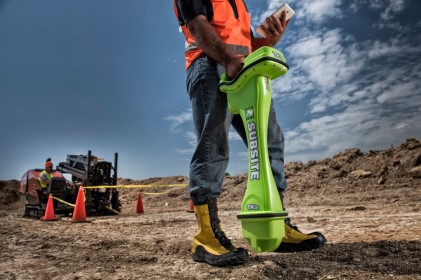
Perry, Okla. – Subsite Electronics, a Charles Machine Works Company, has introduced 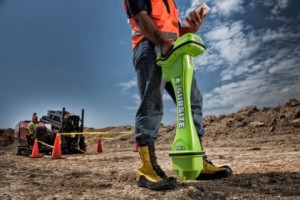 to download horizontal directional drilling (HDD) bore information from Subsite TK Series HDD Guidance System directly to smartphones and tablets.
TSR mobile software enables drillers to generate an as-built report as soon as the pilot bore is completed. Information can be sent to and viewed on Android mobile phones and tablets, as well as Windows-based computers and Mac OSX.
TSR mobile software is shipped with each TK HDD guidance system sold and can be downloaded at no cost from the Subsite Electronics website at http://www.subsite.com/support/software-updatesfor use with TK equipment already in service.
TSR mobile software profiles include a pitch-based graph of bore data. To log a data point, the operator simply pushes a button on the guidance system. The profile is calculated by rod distance as the downhole tool progresses, documenting tool location and pitch, as well as field terrain.
Reports can be immediately e-mailed to the office or the customer via smartphone or tablet.
“The TSR mobile software speeds production by replacing the manual bore log, which is time-consuming and creates the opportunity for error,” said John Bieberdorf, product manager, HDD guidance systems, Subsite Electronics. “From the business aspect, sending reports directly from the field can improve cash flow because many customers will not pay for a project until as-builts are provided.”
TSR mobile software and the Subsite TK Series products make the ultimate walk-over HDD guidance system.
TK HDD guidance systems are available in three models to fit specific drilling needs. TK systems filter out signal interference present on many work sites to provide accurate tracking of the bore head. The TK Series is the only HDD guidance system with dual locating modes (“walkover” and “drill-to”). Easy-to-understand, high-contrast graphics are legible even in bright light, and the TSR remote display can be mounted on the drilling unit to suit the driller’s preferences.
For more information on this software and Subsite® Electronics, visit www.subsite.com or any of our social media channels – Facebook, Flickr, Twitter, Google+, LinkedIn and YouTube. You can contact us at info@subsite.com or 800-846-2713.
About Subsite® Electronics
Subsite® Electronics, a Charles Machine Works Company, is committed to providing underground construction professionals the most comprehensive suite of electronic products in the industry, including utility locators, Horizontal Directional Drilling (HDD) guidance equipment and equipment machine controls. By utilizing innovative technologies, extensive market feedback and outstanding customer support, Subsite Electronics has established itself as the premier source of electronic technology to support the installation or maintenance of underground pipe and cable.
About Charles Machine Works
Established in 1902, Charles Machine Works, an employee-owned company, founded in Perry, Oklahoma, is the only manufacturer and global distributor that solely exists to make underground utility construction profitable. Our family of companies includes Ditch Witch®, Subsite® Electronics, DW/TXS®, HammerHead®, Radius® HDD, American Augers®, Trencor® and MTI® Equipment. For more information, visit charlesmachine.works.
Uncategorized
DALLAS – (Aug. 13, 2015) The U.S. Environmental Protection Agency (EPA) has announced a poster contest to highlight green infrastructure and low-impact development projects in Arkansas, Louisiana, Oklahoma, New Mexico and Texas. Did your business build a parking garage with a green roof? Do your city government buildings harvest rainwater? EPA wants to hear about projects like these in preparation for the EPA Region 6 Stormwater Conference.
Green infrastructure uses natural hydrologic features to manage water and provide environmental and community benefits, including pollution reduction, flood control, and water-use efficiency. As climate change affects our communities in different ways, implementing green infrastructure techniques becomes more important than ever in improving resiliency.
Anyone who has developed or is working on a project using green infrastructure or low-impact development is encouraged to submit a poster. Entries are due by Friday, September 25. First- and second-place prizes will be awarded for municipal or private professionals (for example, stormwater program operators, developers, or landscape architects), as will a first-place prize for student entries. Poster authors can present their submissions at the upcoming 17th annual EPA Region 6 stormwater conference in Hot Springs, Ark., October 18 through 23. After the conference, all posters will be highlighted on the Region 6 green infrastructure web page.
For complete contest rules and criteria: http://www.epa.gov/region6/water/npdes/greeninfrastructure/pdf/2015_EPA_gi_lid_poster_competition.pdf
For more on green infrastructure in Region 6, including information on this year’s conference: http://www.epa.gov/region6/water/npdes/greeninfrastructure/index.html
Connect with EPA Region 6:
On Facebook: https://www.facebook.com/eparegion6
On Twitter: https://twitter.com/EPAregion6
Activities in EPA Region 6: http://www.epa.gov/aboutepa/region6.htm