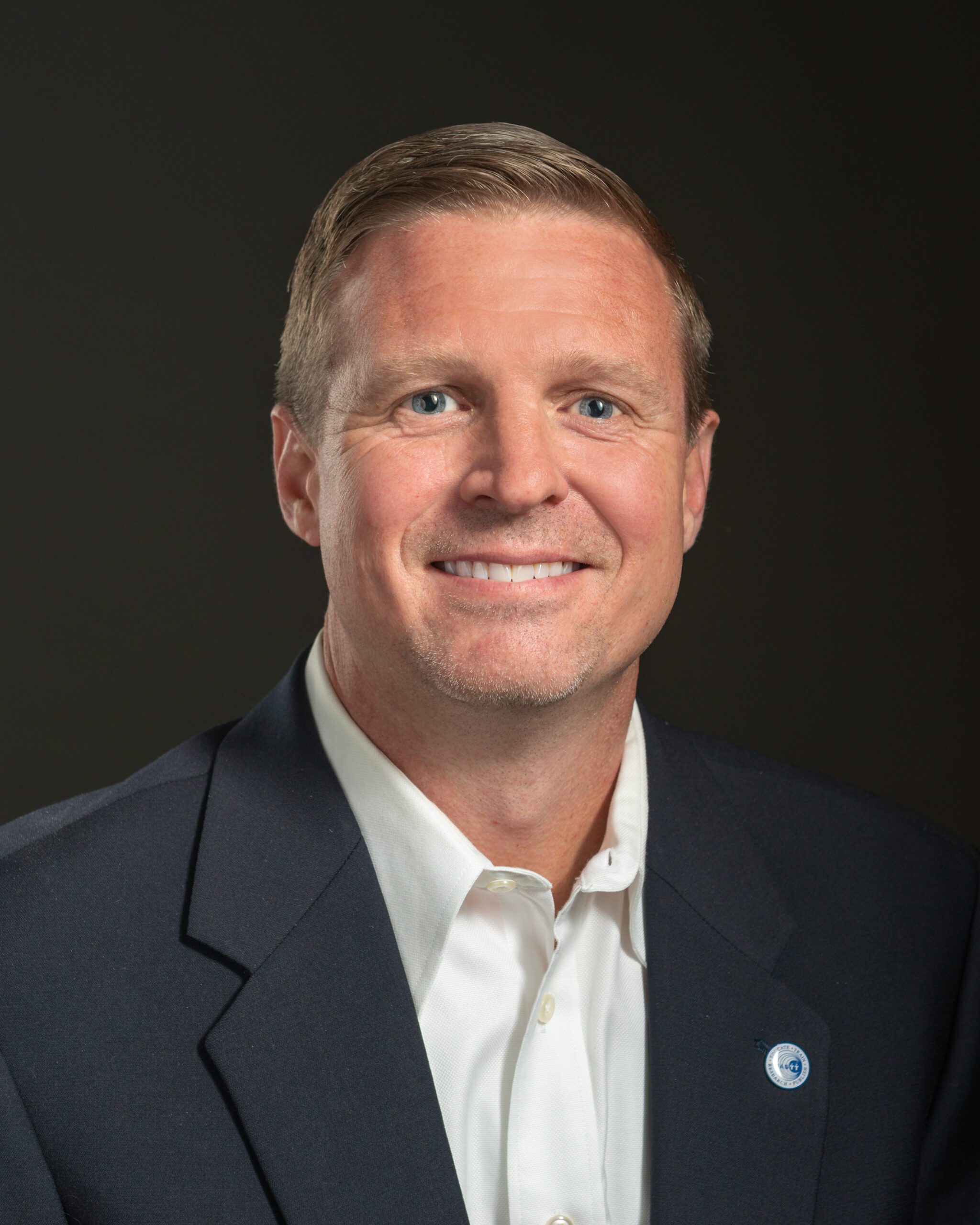
Alan Goodman has more than 25 years of experience in underground and trenchless construction. He is a past Chair of the North American Society for Trenchless Technology (NASTT). He is nationally recognized as an industry expert in trenchless design, construction, and rehabilitation.
Alan is co-author of ASCE Pipe Ramming, Second Edition (MOP 115) which documents current pipe ramming practices for the design and construction of pipelines beneath roads, railroads, streets, and other natural and constructed obstacles. He is a contributing author to the NASTT Pipe Bursting Good Practices Guidelines Manual, Third Edition (2019). This edition significantly expanded the manual to reflect the current state of the industry with a more hands-on, field-focused construction approach.
Alan currently serves as Chair for the redevelopment of the 2025 NASTT Lateral Good Practices Course. This course provides a comprehensive understanding of the challenges and issues unique to sewer laterals across the United States and Canada. The course addresses inspection, cleaning, evaluation, and repair options from both public and private perspectives. As trenchless technologies continue to advance, the course benefits municipalities and contractors to identify solutions that minimize surface impact and disruption.
Alan’s professional background includes sales and technical training roles with McLaughlin, Vermeer, and HammerHead Trenchless. He has supported markets across the United States, Canada, Asia, and Australia. In 2025, he joined Michels Trenchless where his focus includes rehabilitation, horizontal directional drilling (HDD), and microtunneling.
His experience spans directional drilling, pipe ramming, auger boring, pipe extraction, pipe slitting, pipe bursting, and cured-in-place pipe (CIPP) lining. Alan has worked extensively with municipalities, gas utilities, engineering firms, and contractors worldwide, providing customer training, technical support, pre-project planning, and project specifications to support both trenchless rehabilitation and new pipeline installations.